The technology sector is taking a critical step forward by embracing ‘waste reduction as a service’ as a logical, commercially attractive add-on for circular strategies. Recent initiatives from major industry players demonstrate that connecting commercial propositions with circular solutions is no longer just an ideal, it is a practical, scalable reality.

Google and Back Market: Actionable Circularity
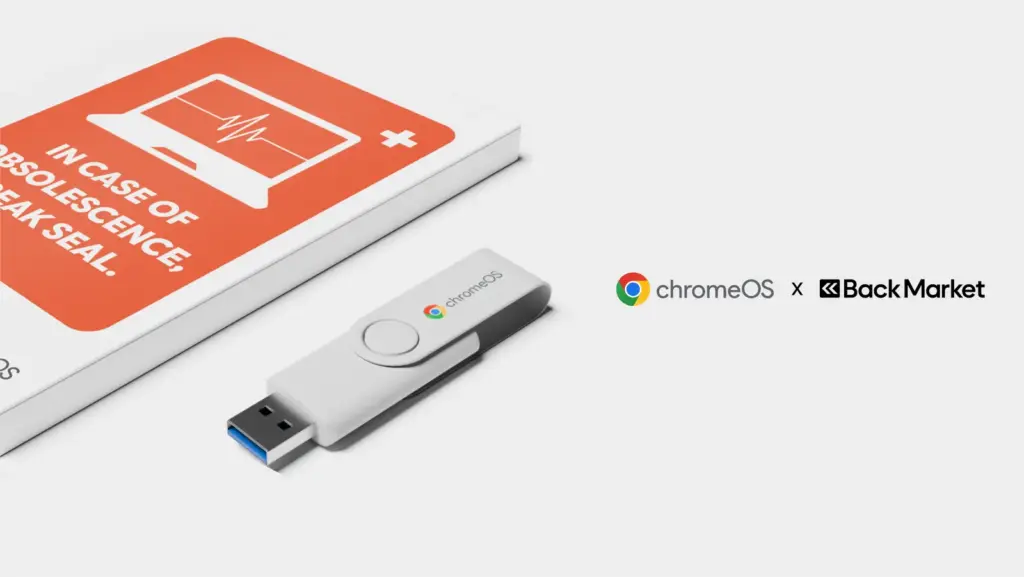
A leading example of this shift is the recent collaboration between Google and Back Market. Together, they are selling “waste-compensated” USB kits containing Google’s ChromeOS Flex. This software breathes new life into aging, unsupported laptops, keeping functional hardware out of landfills. Crucially, these new USB sticks are causally linked to waste reduction. For every drive sold, an equal amount of electronic waste by weight is collected and responsibly recycled by Closing the Loop.
The Google case clearly illustrates that top-tier tech brands want to enrich and strengthen their circular strategies by adding tangible, understandable, and immediate action to their offerings.
GSMA - Scaling Waste Reduction
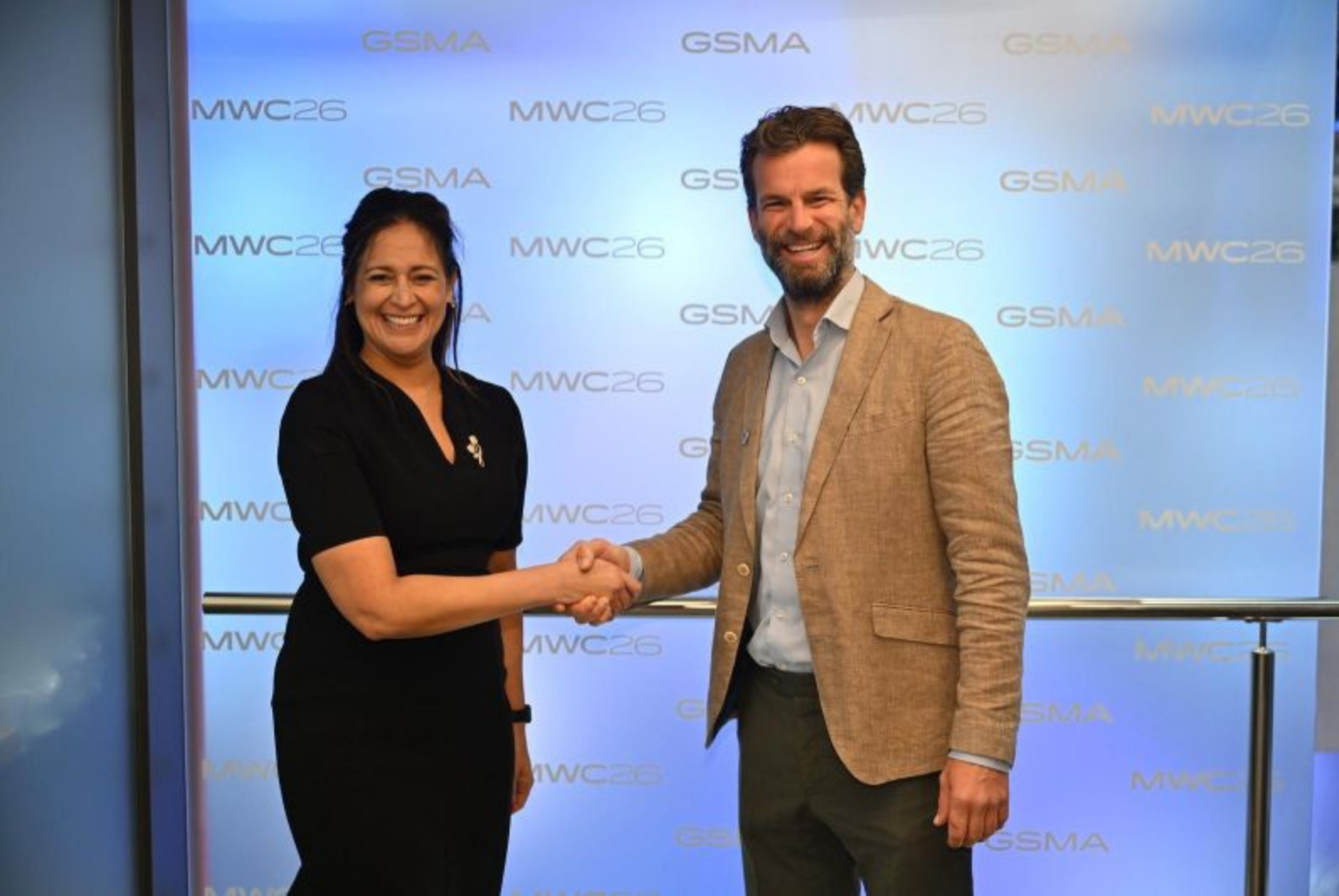
This momentum is further validated at the infrastructure level. The GSMA, the global organization unifying the mobile ecosystem, recently signed a Memorandum of Understanding (MoU) with Closing the Loop. The partnership will explore offering our One for One model as an official GSMA Industry Service. The GSMA is a key player in the telecom industry, and their backing of ‘waste reduction as a service’ signals that this commercial addition to circular thinking is expected to grow considerably in the future.
The Power of Value-Chain Collaboration
Having both a major tech brand and a primary industry organization engaging with ‘waste reduction as a service’ is a meaningful step forward for circularity in tech. It suggests that this model is increasingly seen not simply as a sustainability initiative, but as a practical, scalable way to connect commercial propositions with circular solutions.
A second, vital element of this evolution is collaboration. Both of these examples are built entirely on partnerships across the value chain. In Google’s case, the initiative seamlessly bridges software (Google), distribution (Back Market), and e-waste reduction partners (Closing the Loop). In the GSMA’s case, it connects global industry infrastructure with Closing the Loop as the service provider. For us, this is a core part of the story, because these sorts of value-chain partnerships will be key to furthering the circular economy within the tech industry and in general.
Looking Ahead
We’re proud of both of these partnerships, what they mean for Closing the Loop and the industry at large. They provide compelling evidence that the tech industry is actively adopting e-waste compensation. By turning circularity into a practical, commercially viable, and scalable business model, the industry is proving that we can empower consumers and tackle global e-waste without compromising.